
59,000,000.
By 2050 there will be approximately 59 million more Christians in Latin America than there are now. 59,000,000!!!!!**
- 59 million = the ENTIRE POPULATION of Italy
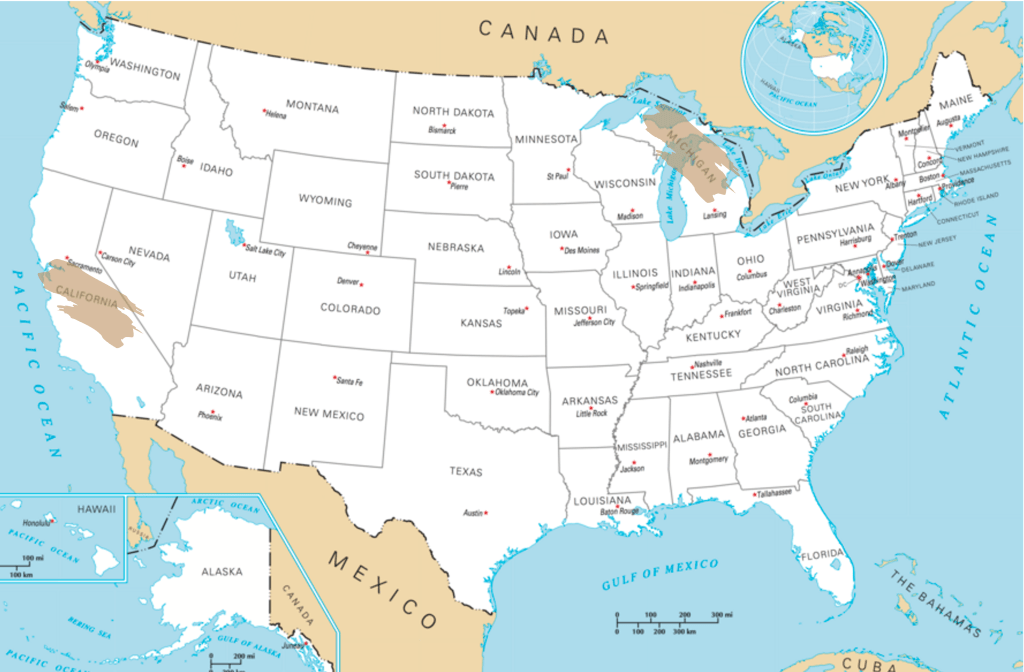
- 59 million = the ENTIRE POPULATION of California plus Michigan
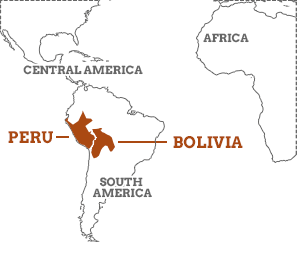
- 59 million = the ENTIRE POPULATION of Peru plus Bolivia
If there is only 1 pastor for every 100 Christians, then Latin America will need at least 590,000 new pastors in the next 24 years.

The Center for the Study of Global Christianity calculates that only 5% of Christian leaders around the world have formal training. If that trend continues, then only 29,500, at best, will receive the training they need, leaving 561,000 untrained.

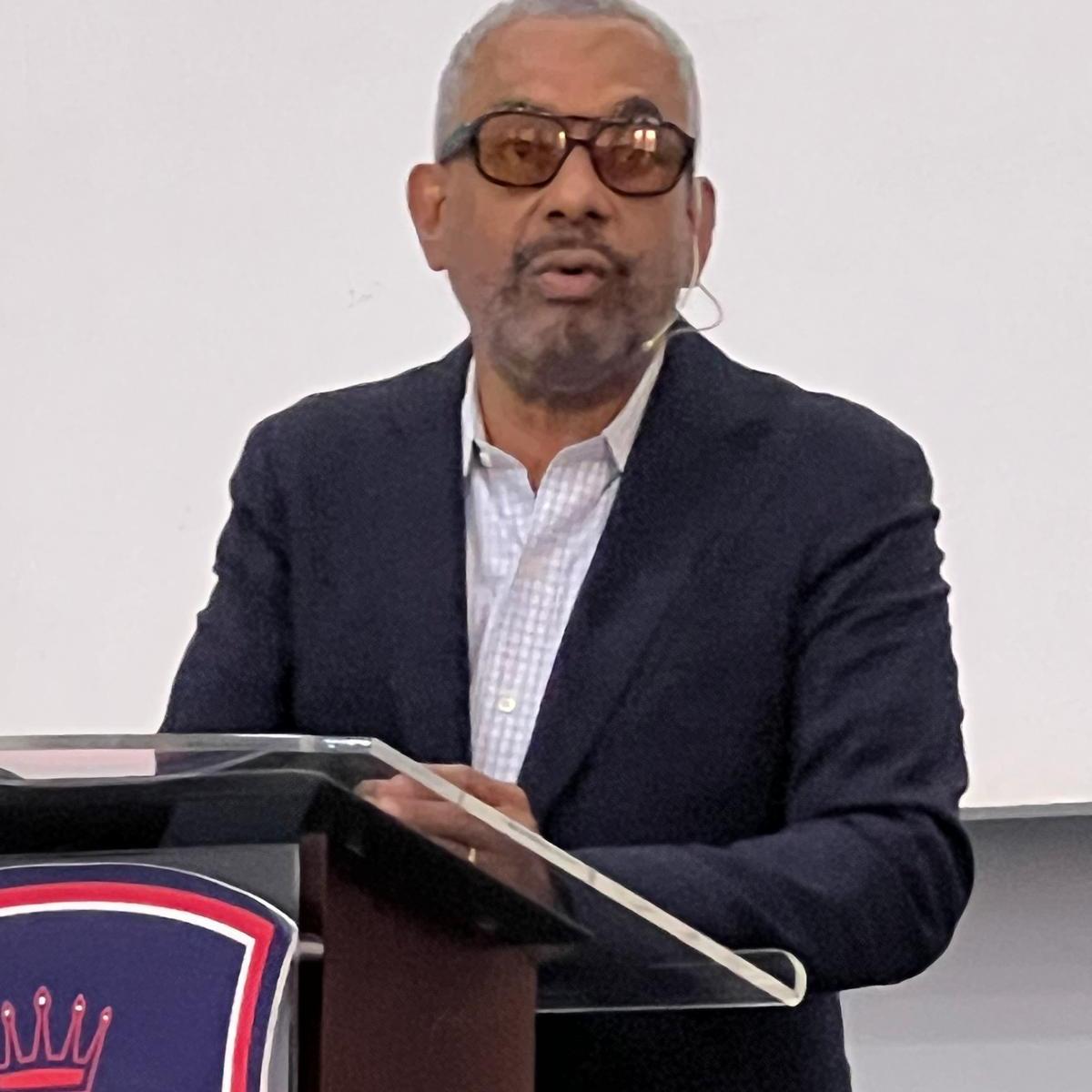
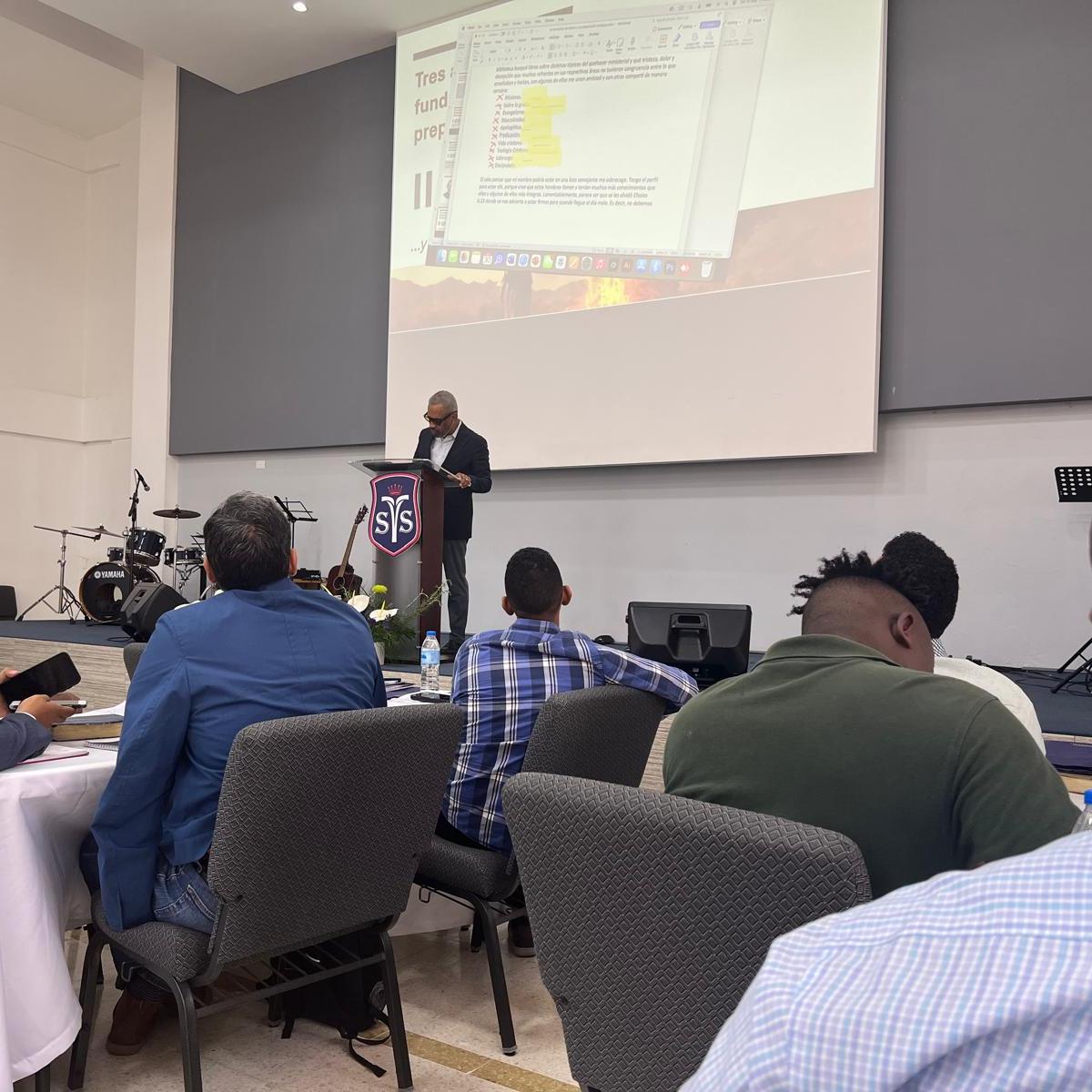
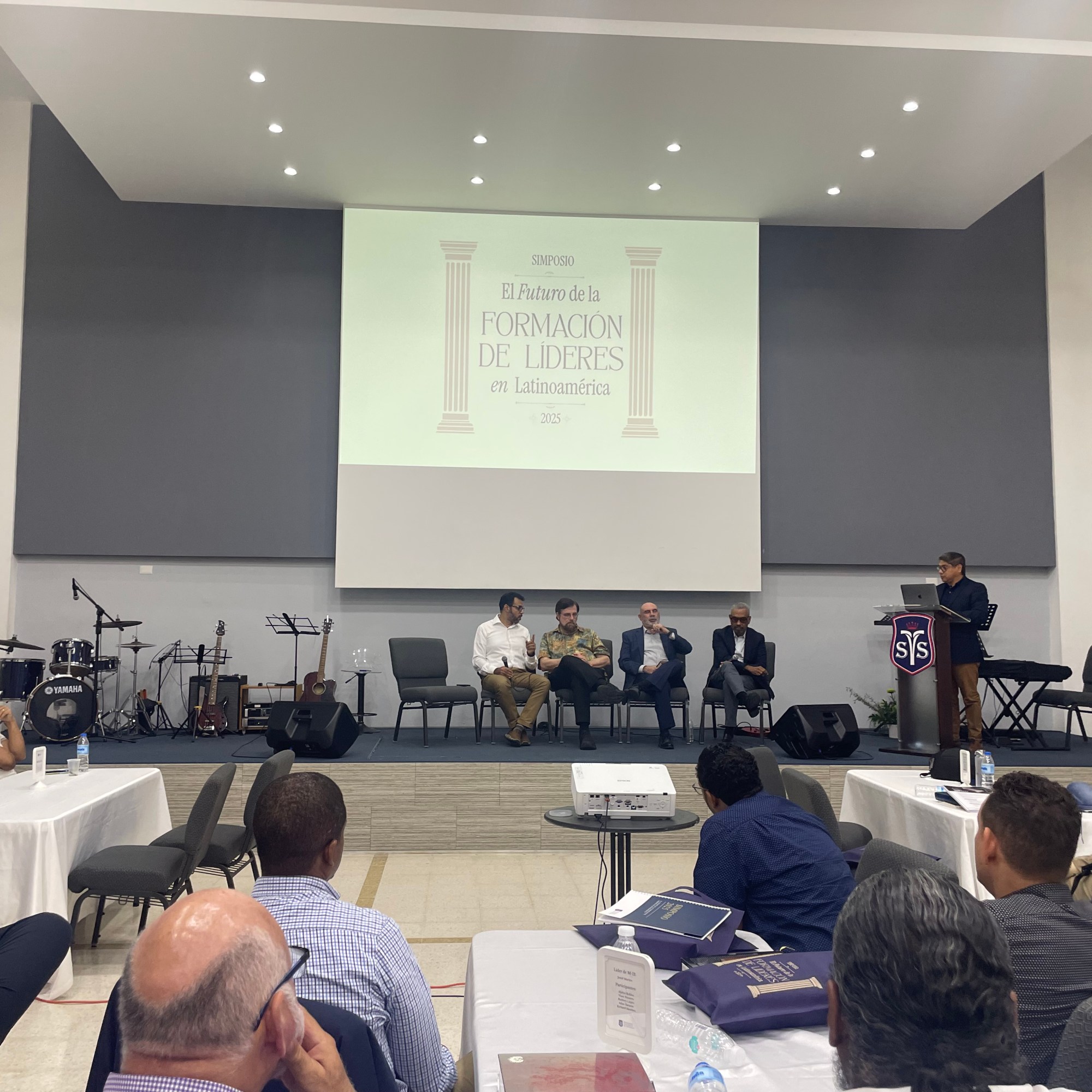
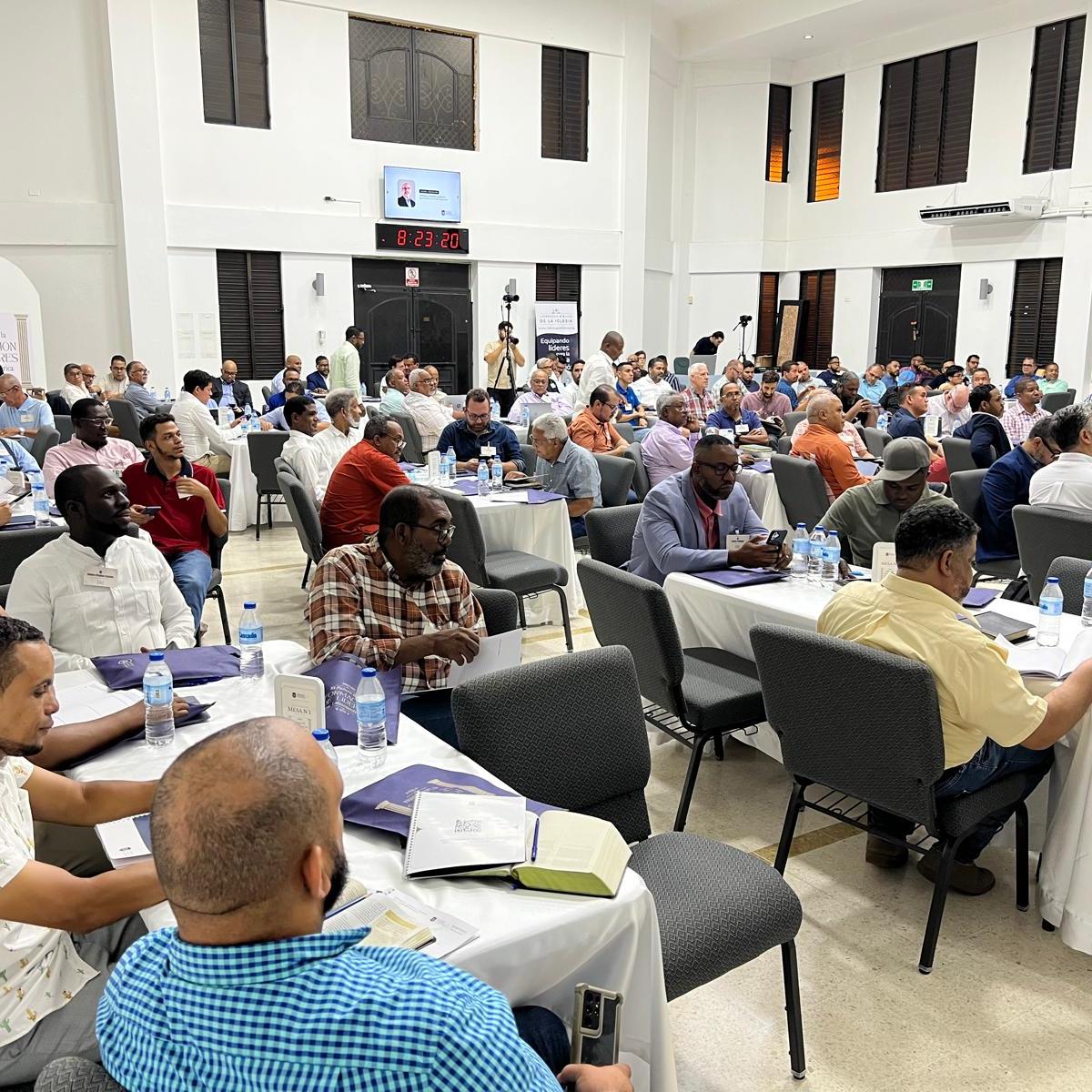
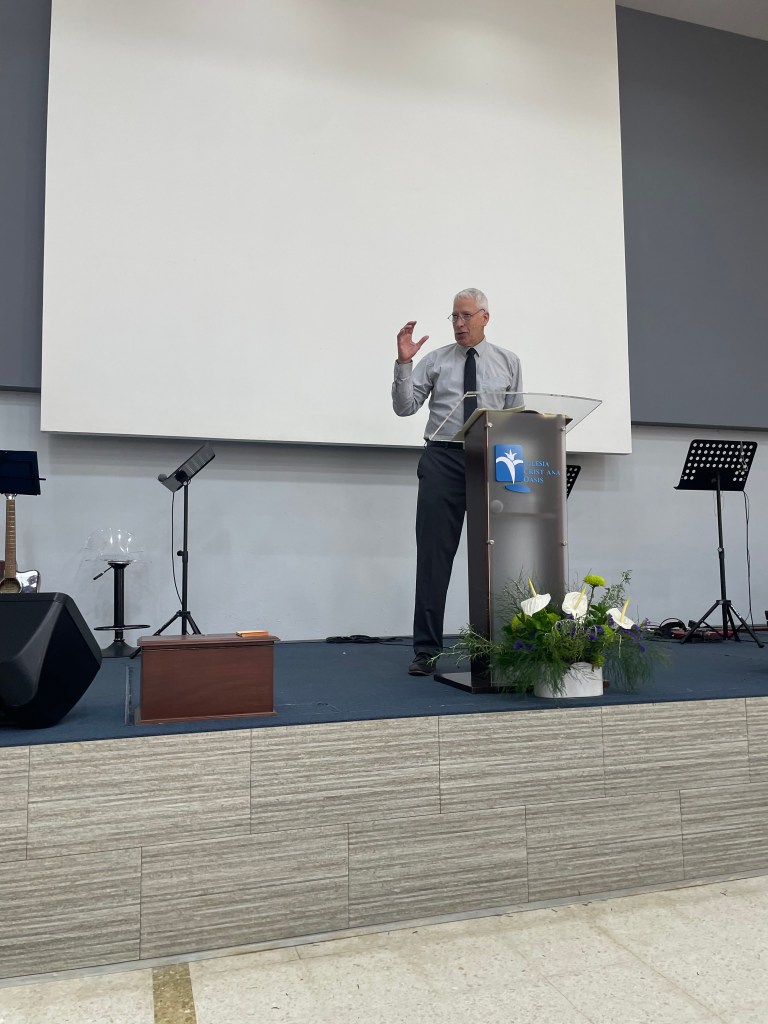
These are the realities that spurred Pastor Álvaro Rodríguez and his team at the Seminario Teológico de Santiago in the Dominican Republic to organize a symposium attended by over 150 pastors from around the country to address “The Future of the Formation of Leaders in Latin America.” My father and I attended this symposium as guests.
The speakers impressed upon all attendees the urgent need for leaders to pursue holistic formation. Christians leaders must learn Bible/theology and must cultivate a Christlike, cross-shaped character. Pastors and leaders must be marked by love, humility, and sacrifice. They also must identify and develop others.
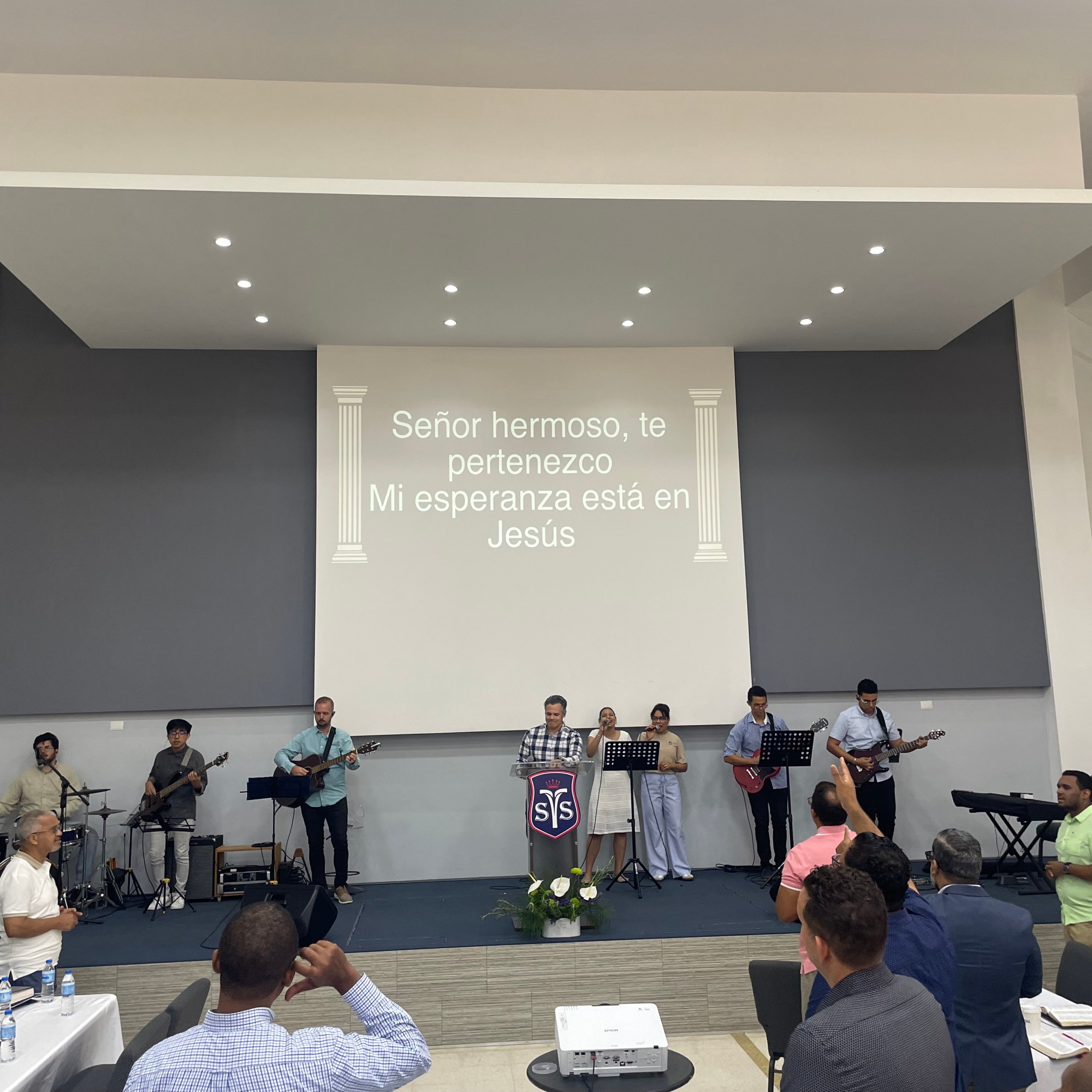
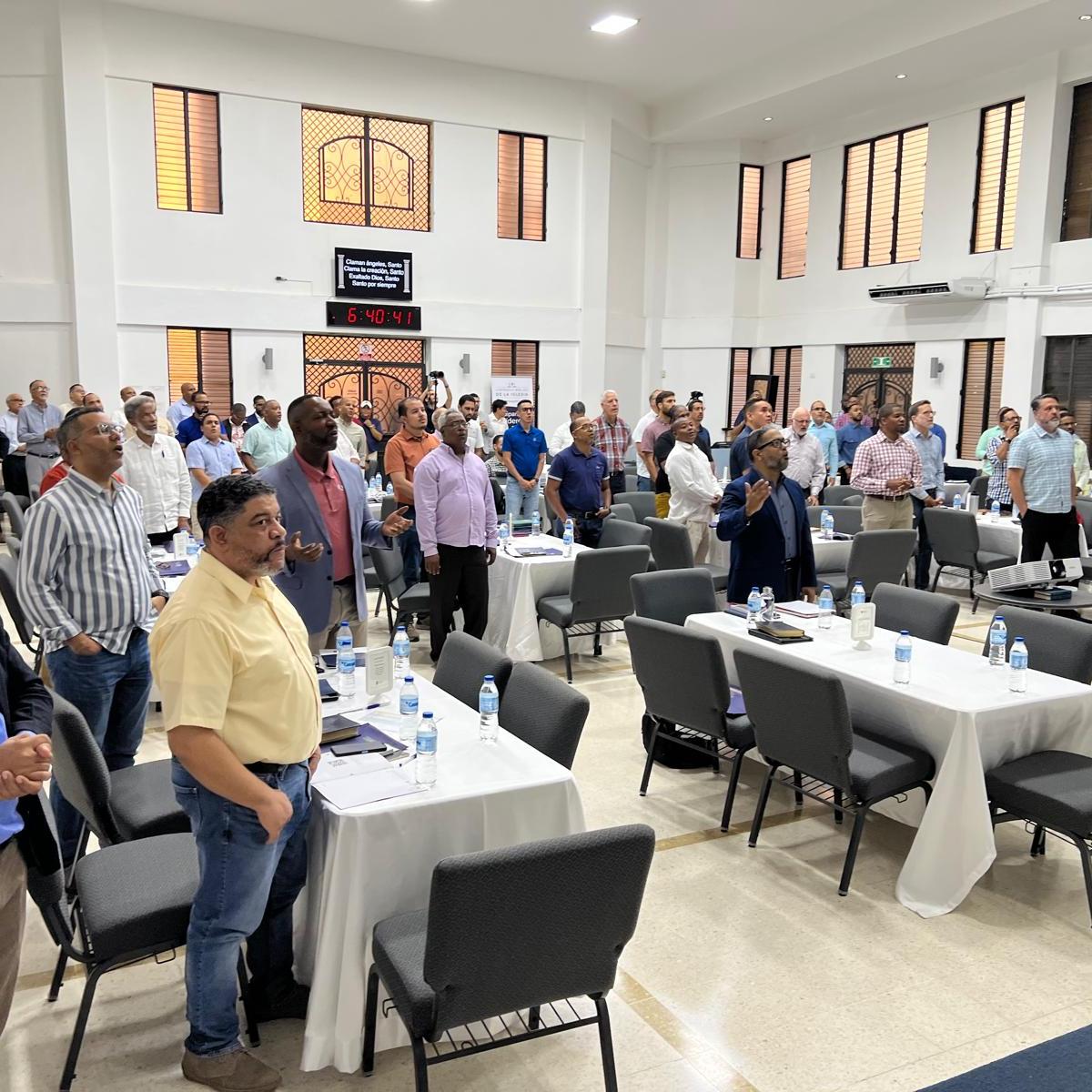
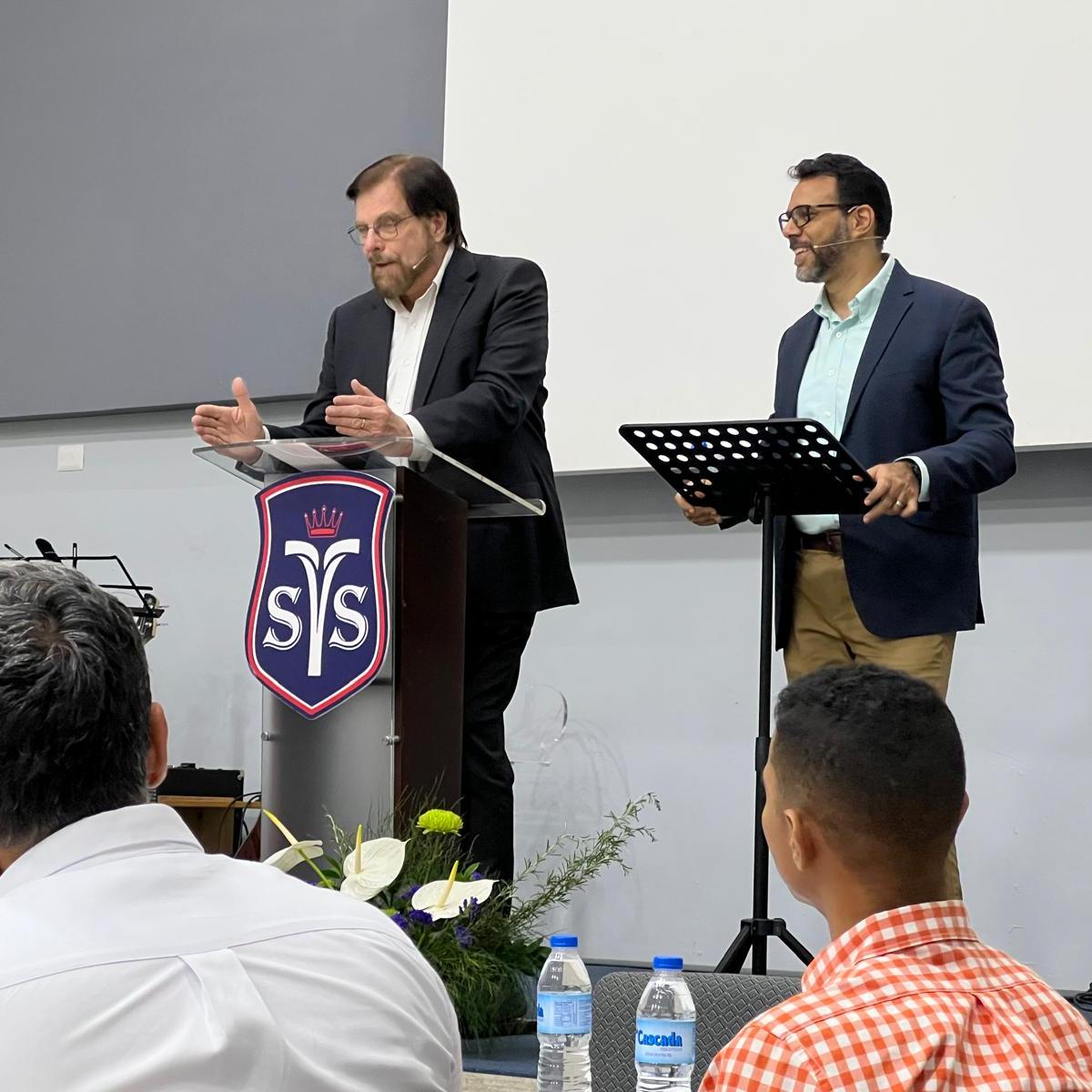
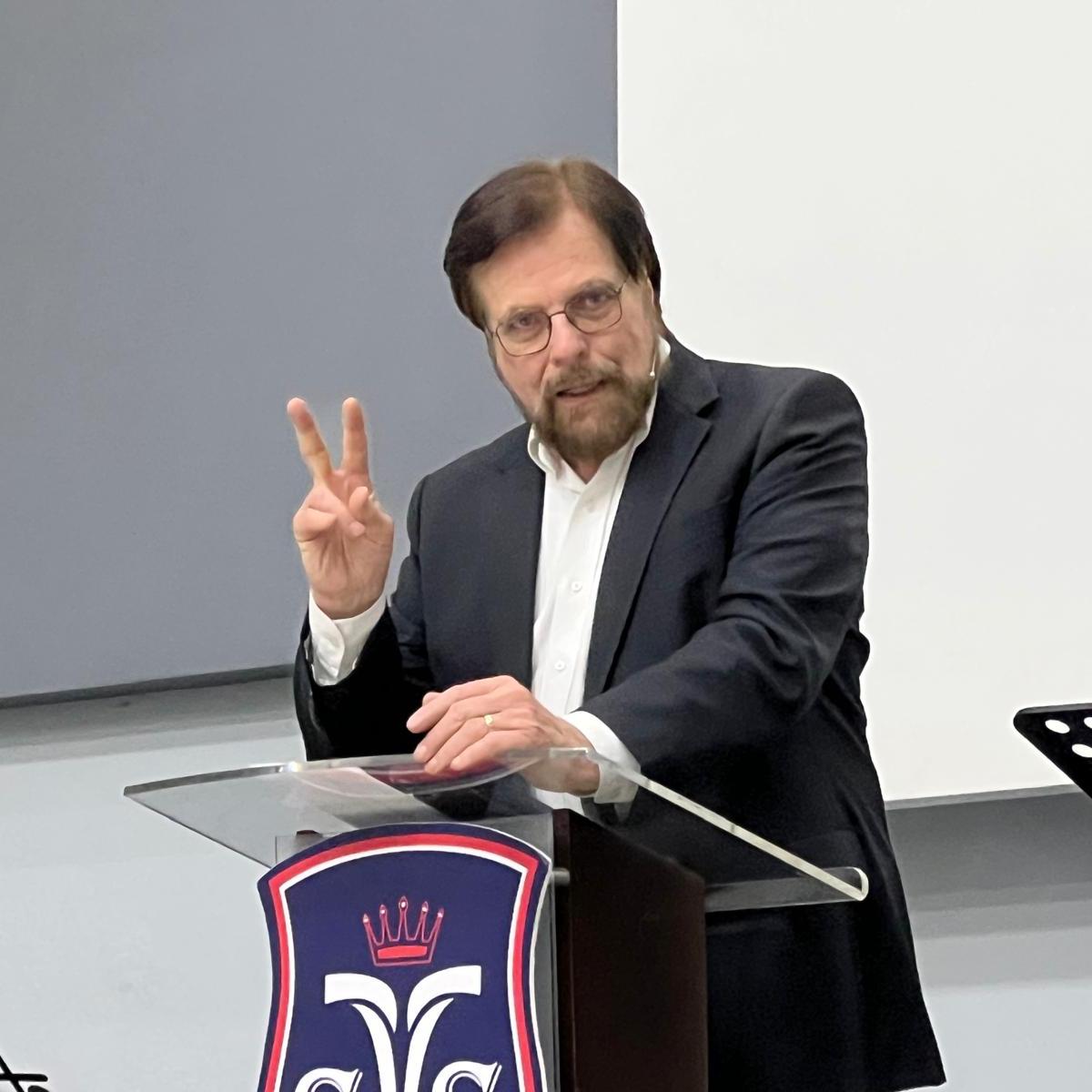
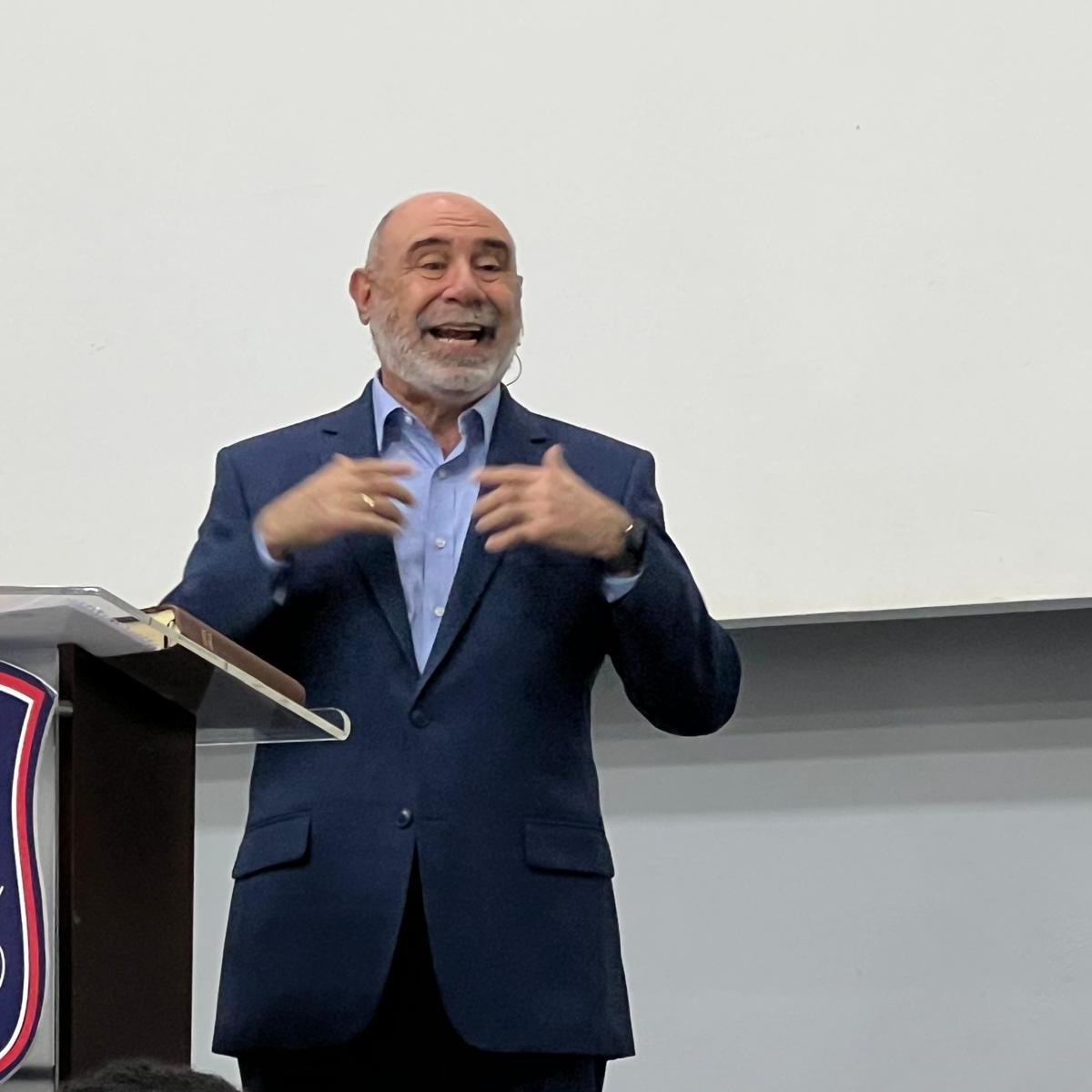
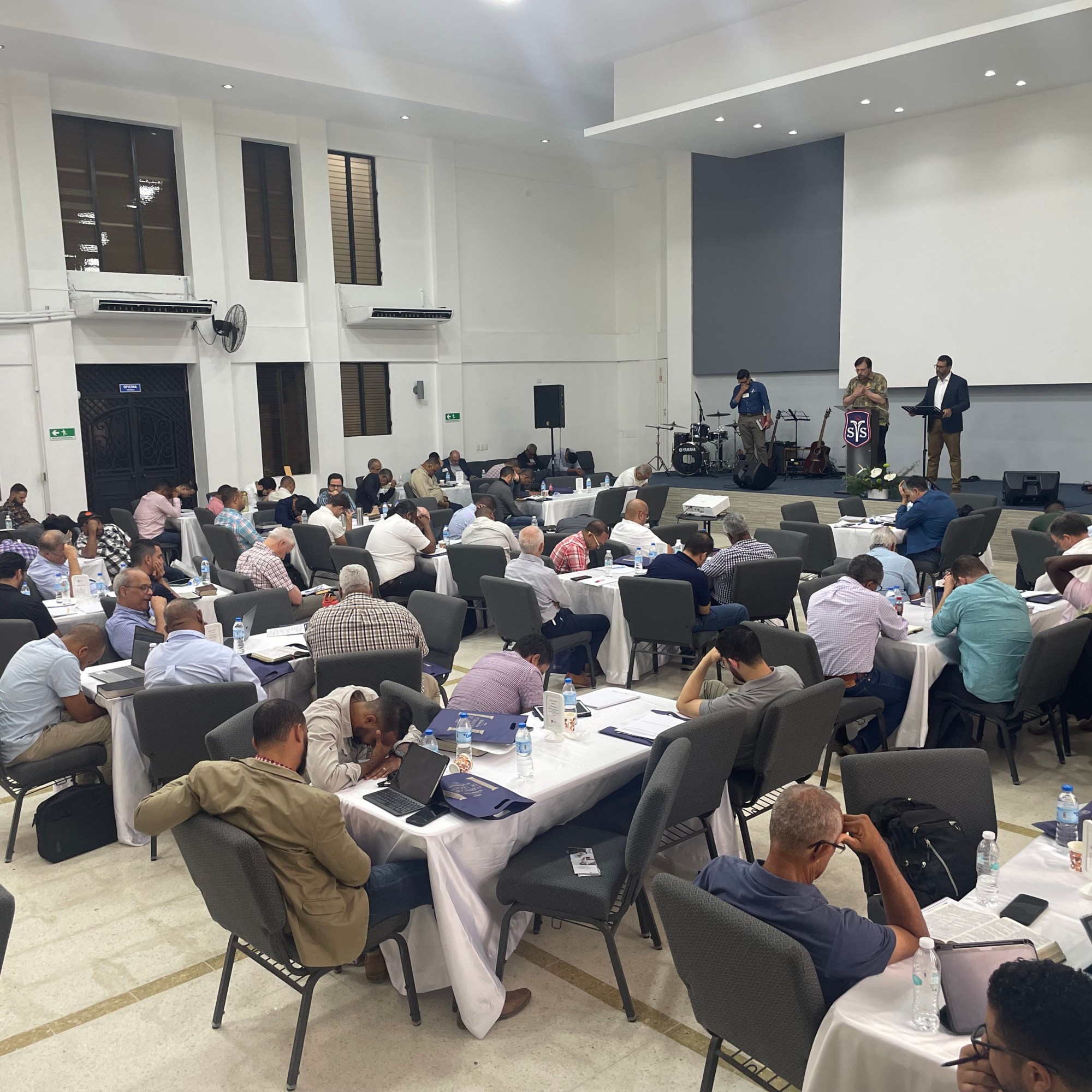
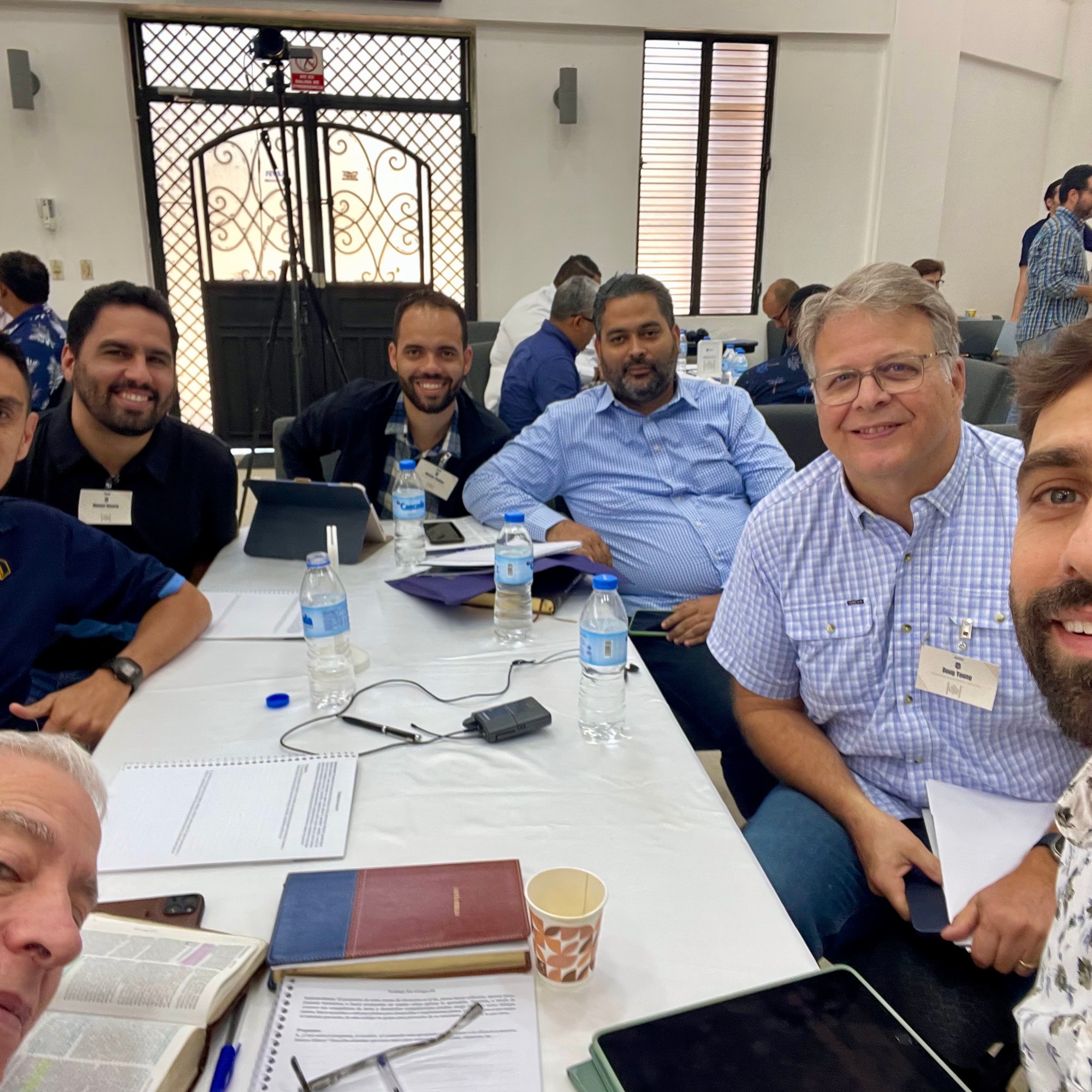
We all left the symposium encouraged because God is building the church. In the words of one of the speakers,
“This is the best time in all of history to be a Christian!!!! Never have there been more Christians in the world. Pessimism has no place!”
Yet, the attendees also left the symposium challenged by the task of forming a new generation of Christian leaders, the ones who will care for our own children and grandchildren. As the church shrinks in the U.S. and grows in Latin America, Latin American missionaries will likely lead the charge in evangelizing North American cities in the next generation.
Should we not, then, invest in preparing these leaders for the task? What could be more important?
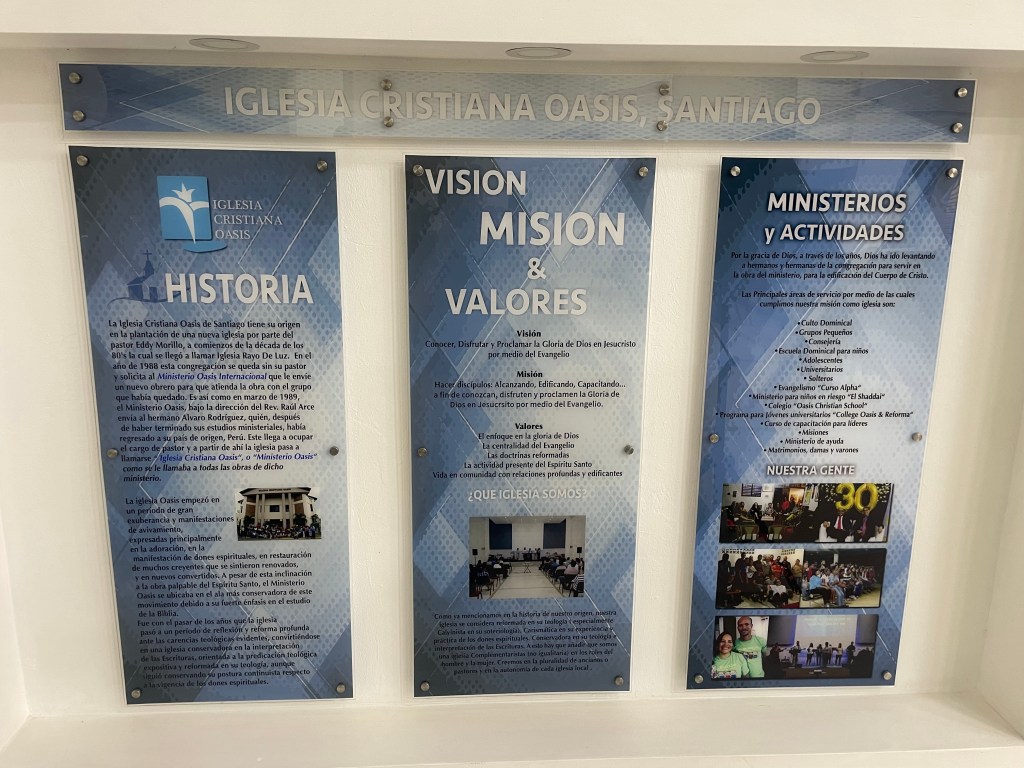
Speaking of Latin American missionaries, Pastor Álvaro provides an excellent example. He was born and raised in Peru. In 1989, he was sent as a missionary to the Dominican Republic to help revitalize a local church.

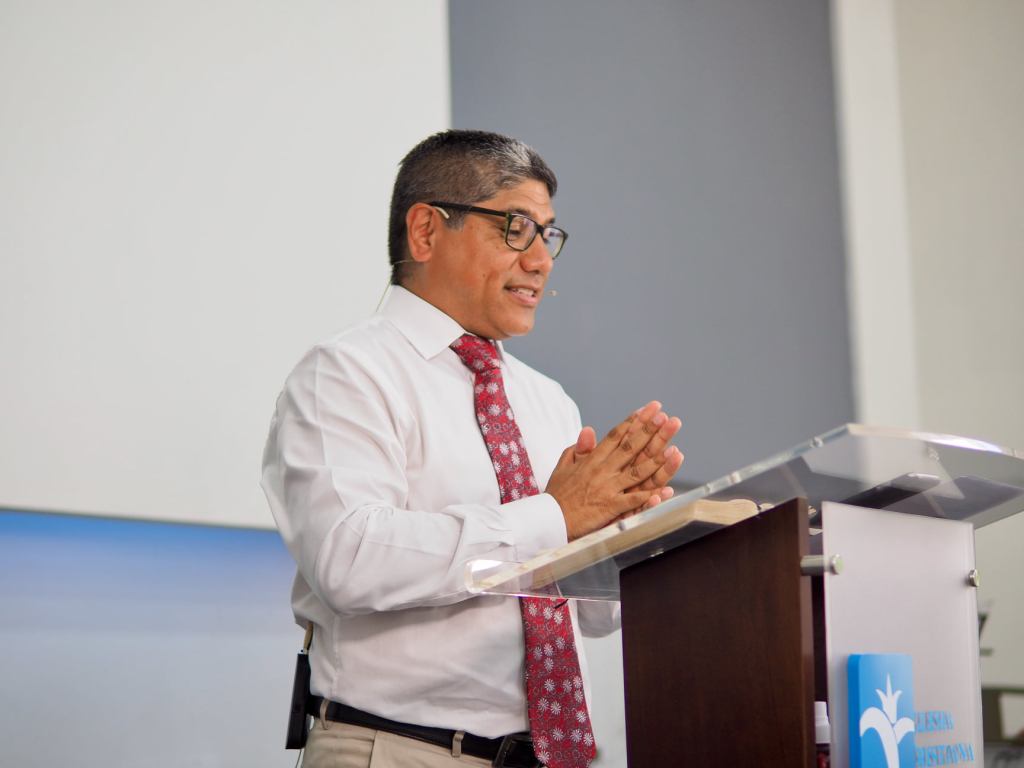
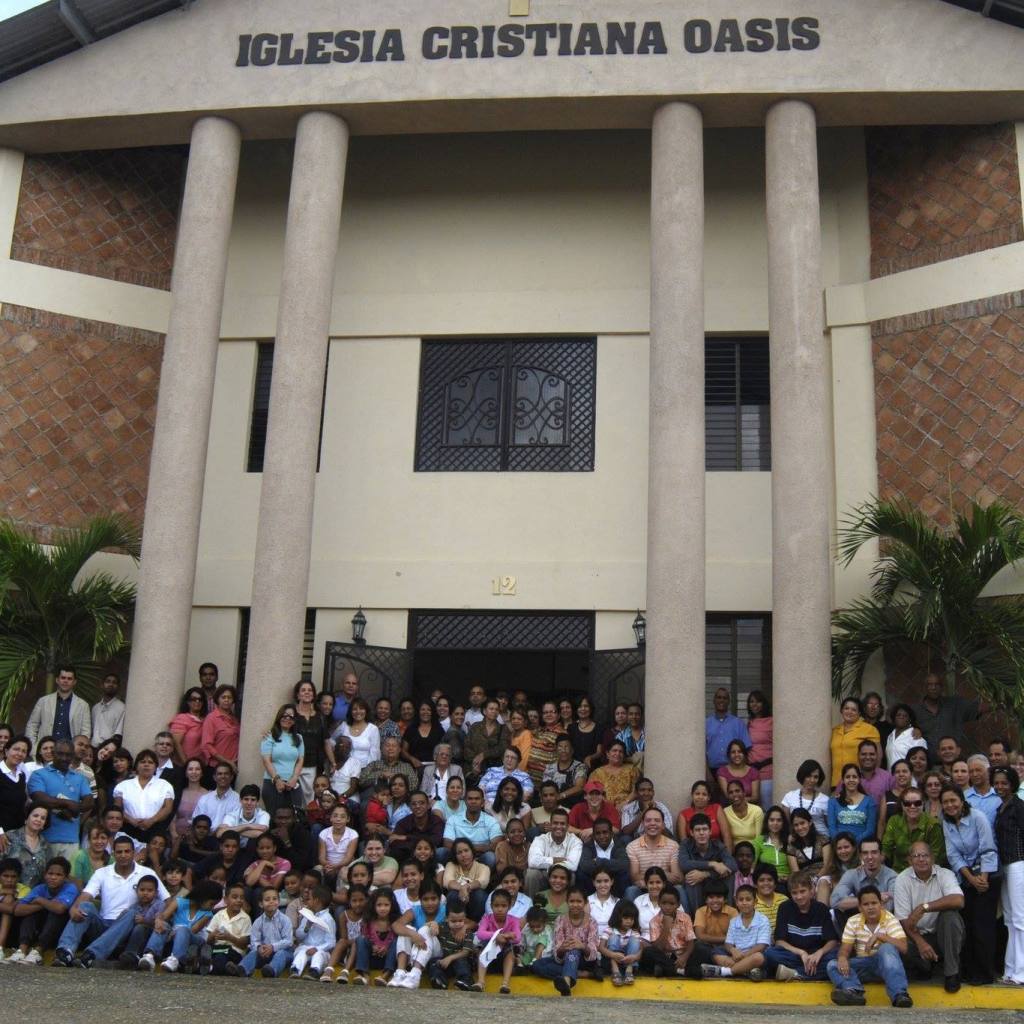
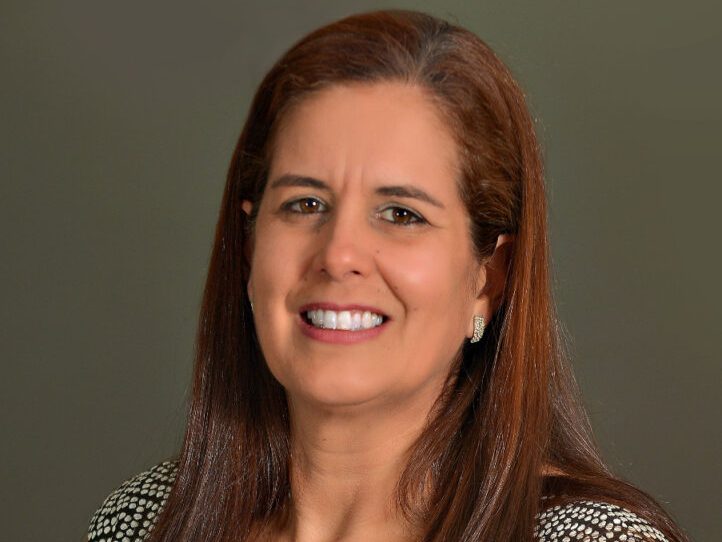
- In 1999, Pastor Álvaro’s wife Rosanna founded a Christian bilingual school, Oasis Christian School, as a ministry of their church. They opened the doors with 15 students. Today the school has 450 students and has been rated a top ten school in the D.R.

- In 2014, the church started the Seminario Teológico de Santiago. This seminary teaches programs in theology and counseling, serving over 120 students each year. Pastor Álvaro serves as the executive director.
One of the best parts of this short trip to the D.R. was getting to know Pastor Álvaro and his family. They have given their lives to training Christian people for living Christianly in the world. Even more than their sacrifice and passion, they exhibit Christ’s work in their lives. They opened their house to my father and me, hosting us for our 4-night stay. Their hospitality and generosity humbled us! They’re the kind of people that I want to be around as much as I can to glean wisdom and to see Jesus at work.

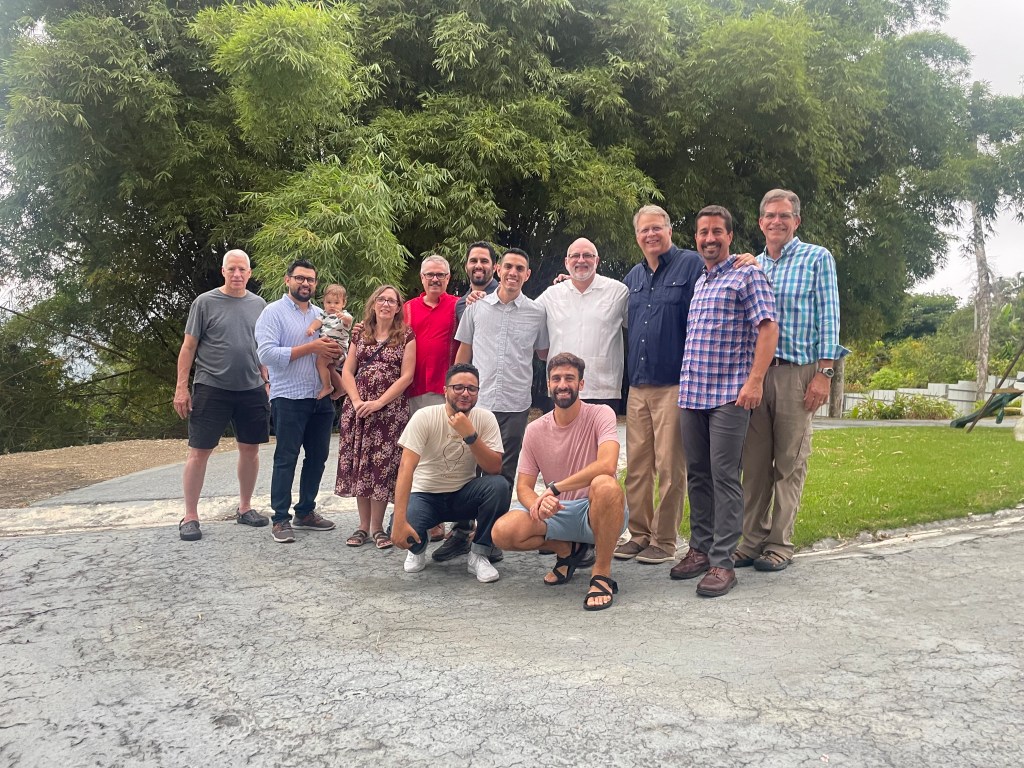

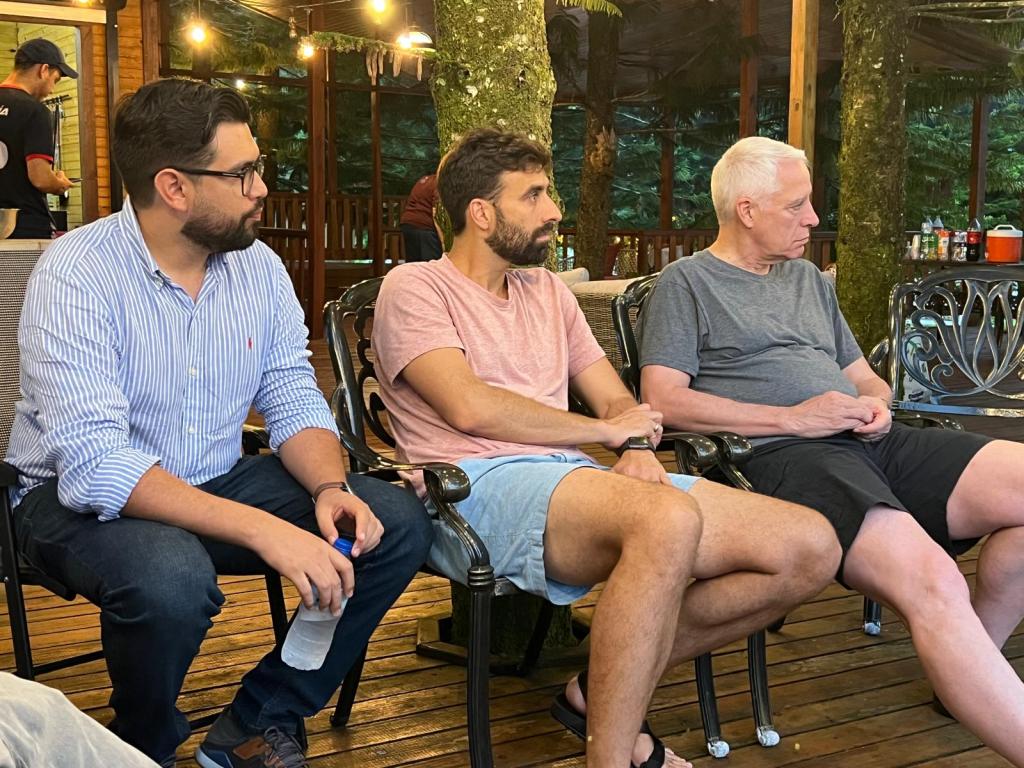


My father and I talked for hours on the trip back to Grand Rapids about the labors of Seminario Teológico de Santiago. Paster Álvaro and his team produce excellent work with limited resources. They strive to meet the needs of the Dominican church by launching new programs to train preachers, youth ministers, and other servants of Christ.
The biggest limiting factor is… well, two interconnected difficulties assault their efforts.
- They must find highly trained teachers. While some come from the island, the majority fly in from the US. This limits their pool of professors significantly, often requires teaching through translation, and can result in teaching that does not address well the realities of the context.
- The cost of maintaining a program, although miniscule by US standards, prohibits growth.
As we spoke about these difficulties and challenges, one truth came to the surface. While we see little more than scarcity, God sees things differently. God lacks nothing. God’s kingdom overflows with abundance. More concretely, Christians around the world have training, expertise, resources, passion, and more! As the family of God, we must answer the following question:
How can we connect the needs of God’s family with the resources that God abundantly provides?
** By comparison, the organization estimates that the Christian population in North America will shrink by 16 million, https://www.gordonconwell.edu/center-for-global-christianity/resources/status-of-global-christianity/.
 Asi es la vida...