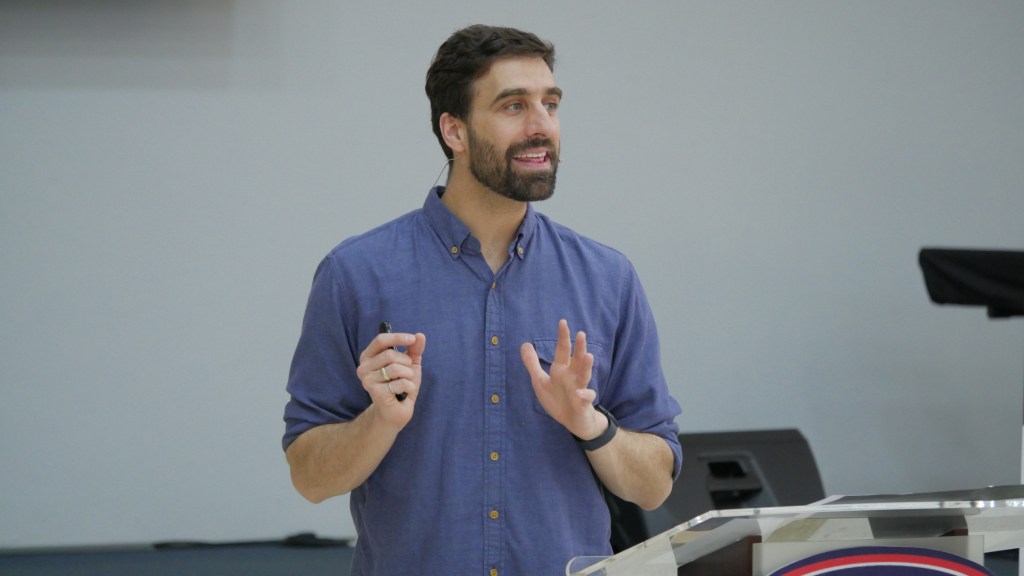
I returned late last Sunday night from a four-day trip to Santiago, Dominican Republic, where I taught survey of the Old Testament at the Seminario Teológico de Santiago (STS). For reflections on my visit to STS last August, see here.
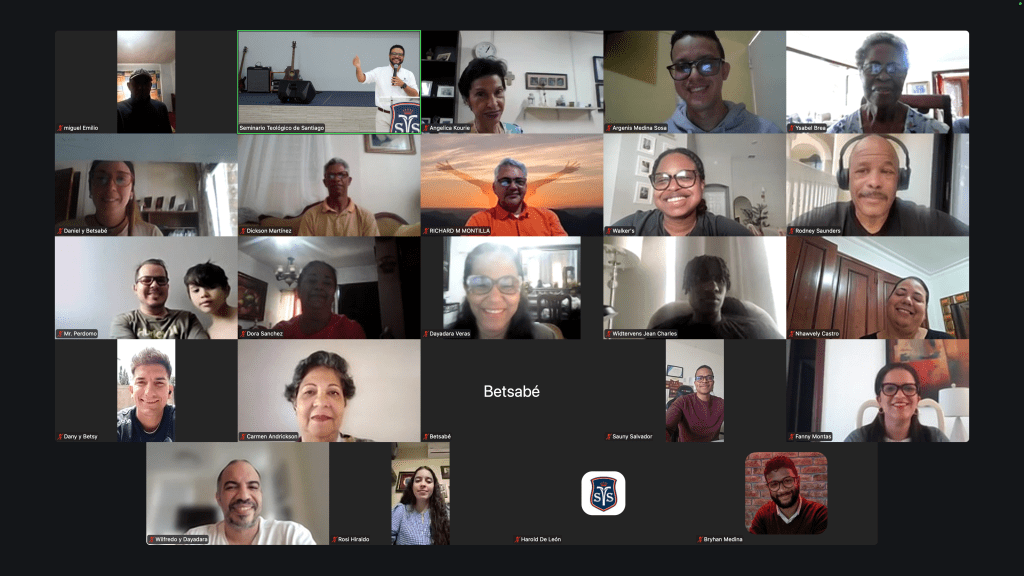
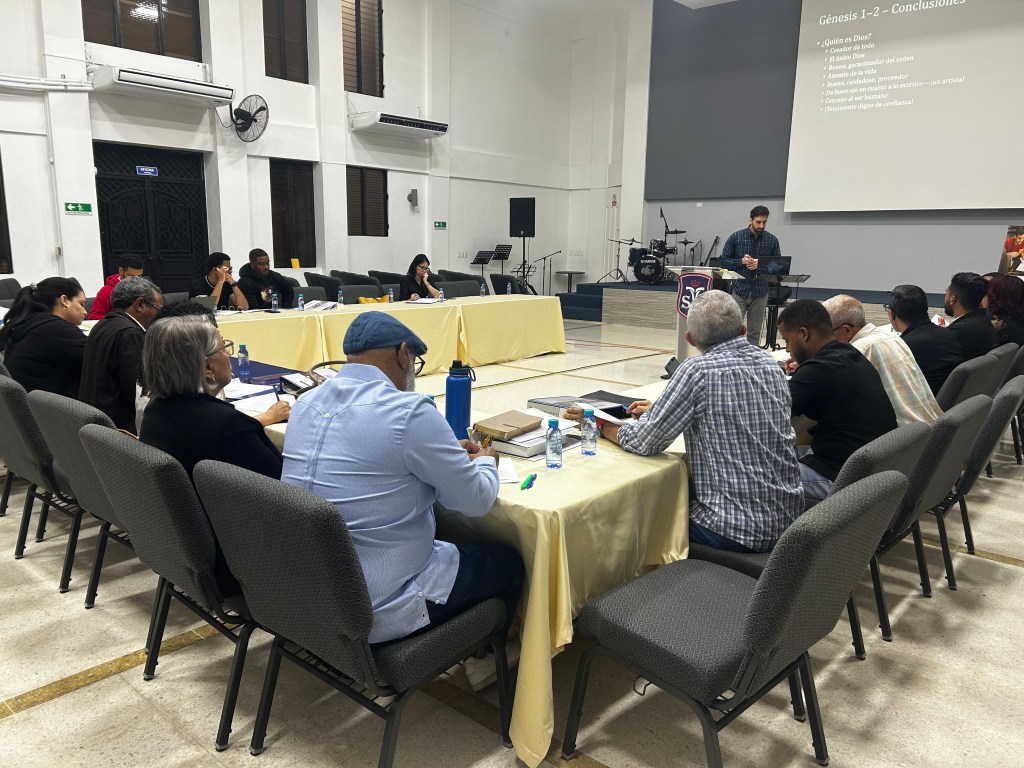
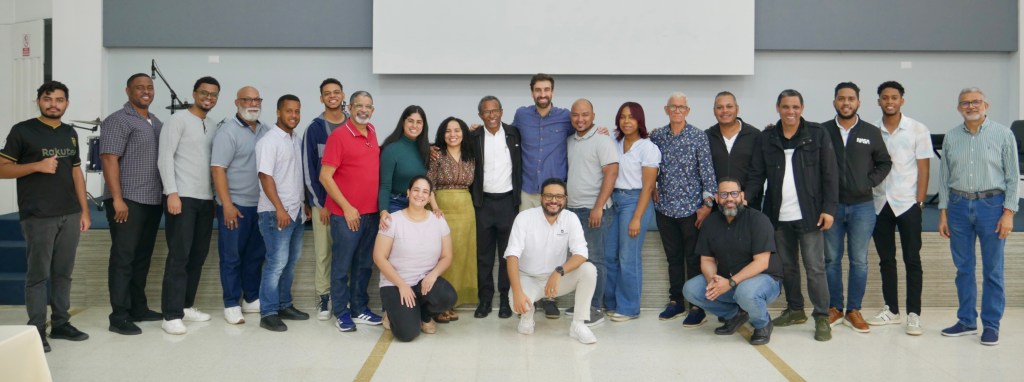
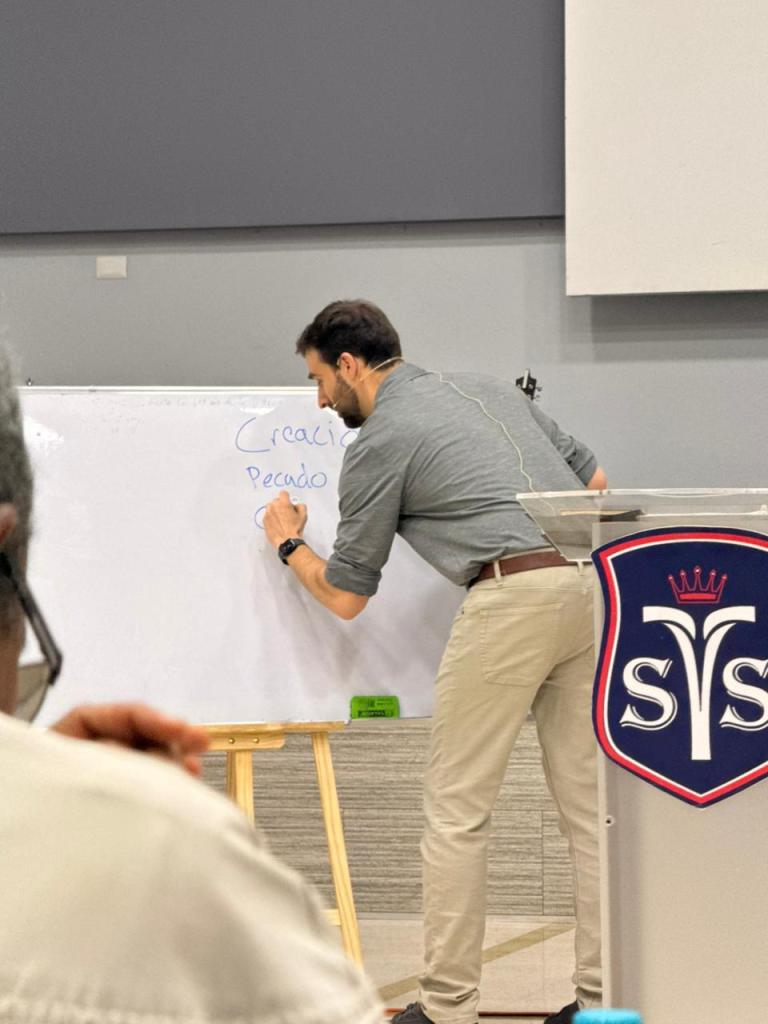
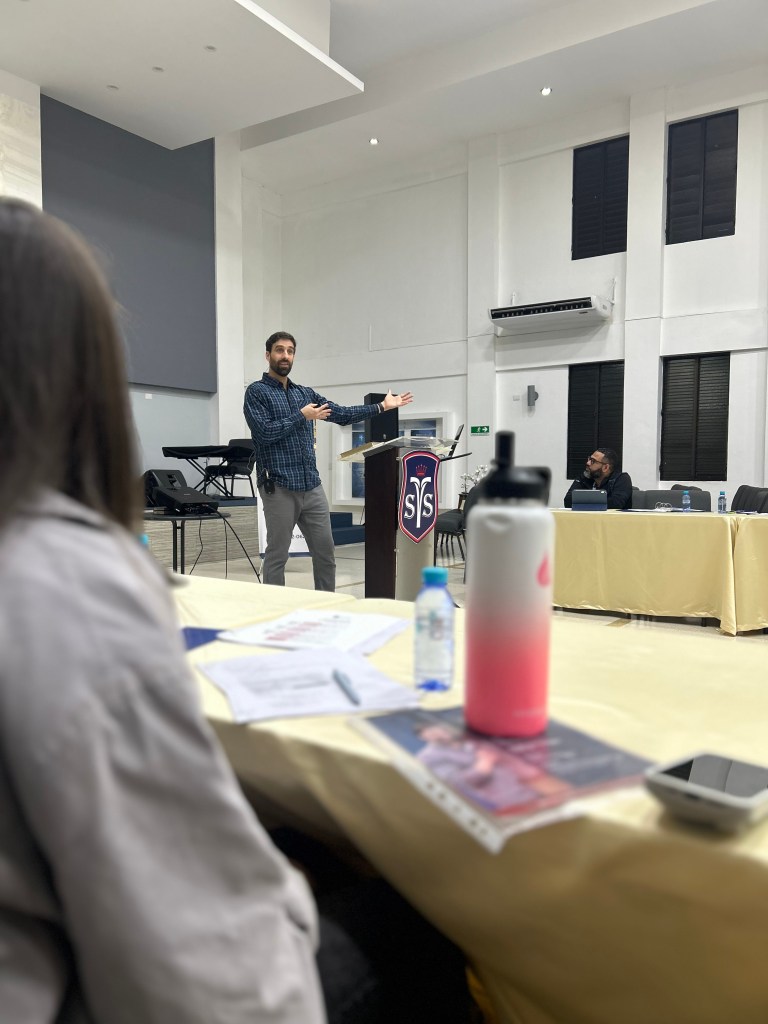
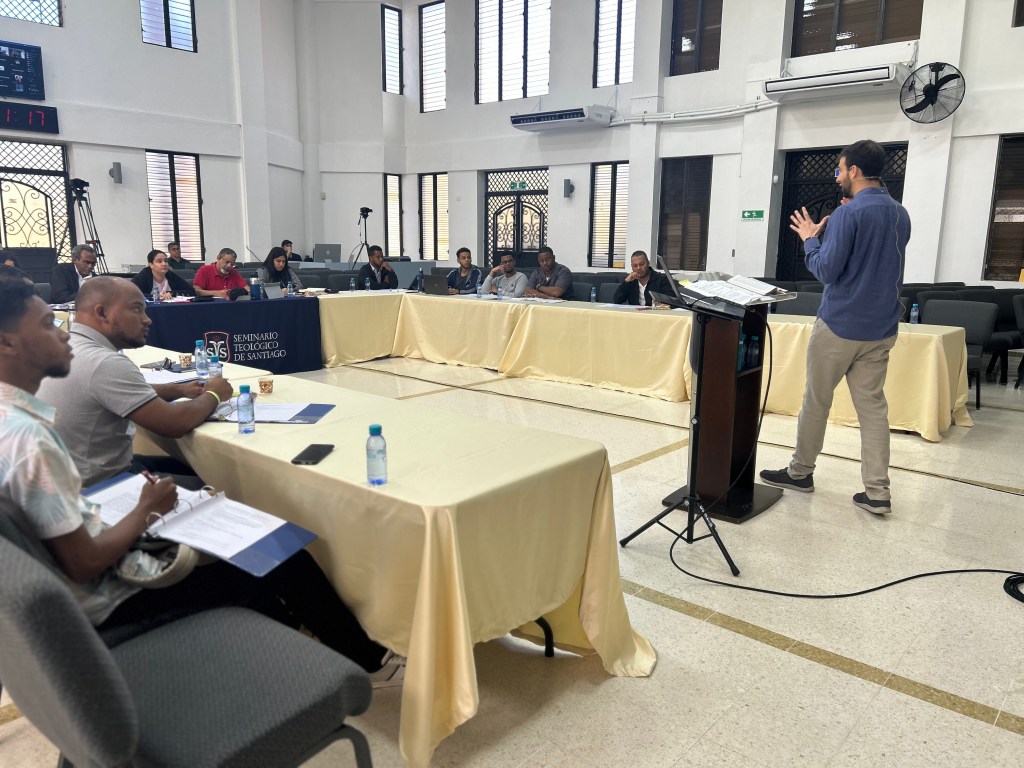
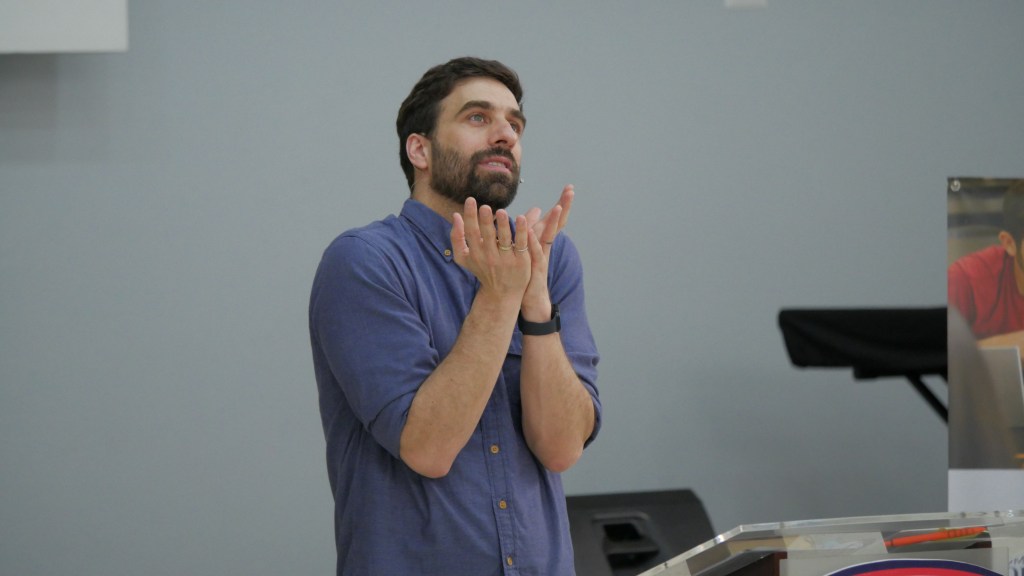
Around 60 students attended this course—40 connected via Zoom and 20 in person. I tried to make the class very interactive, so we had a lot of conversation, wrestling with texts and theological issues raised by the text of the OT. It was fun to hear both from those that were physically present and from many of those that connected virtually.
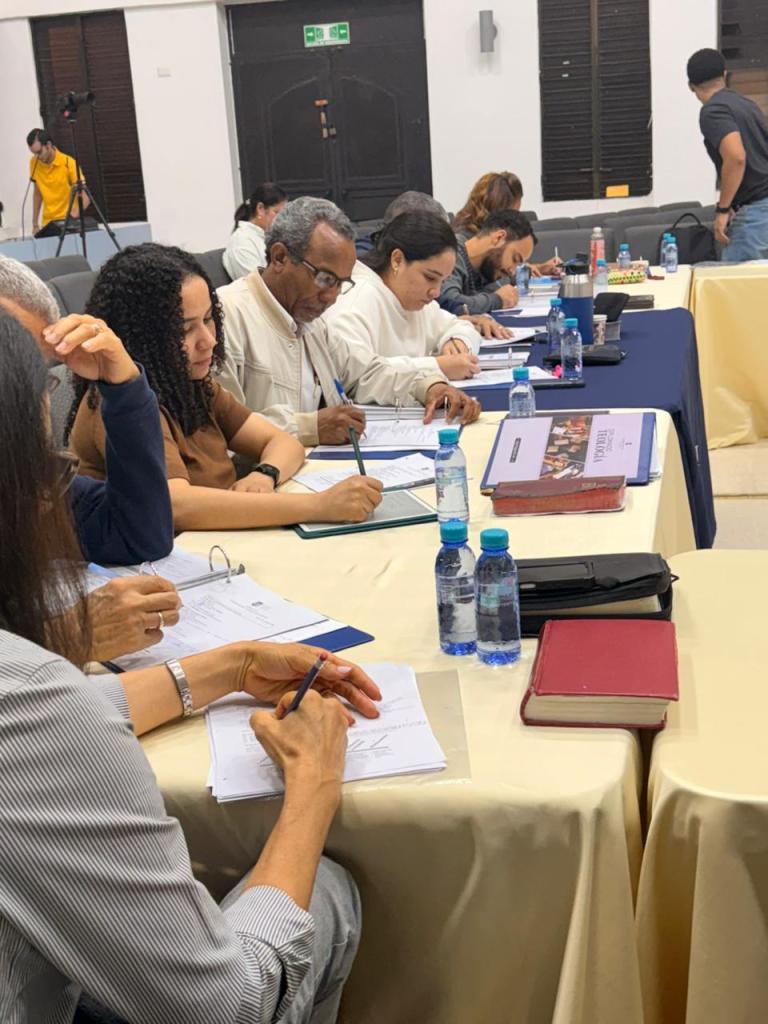
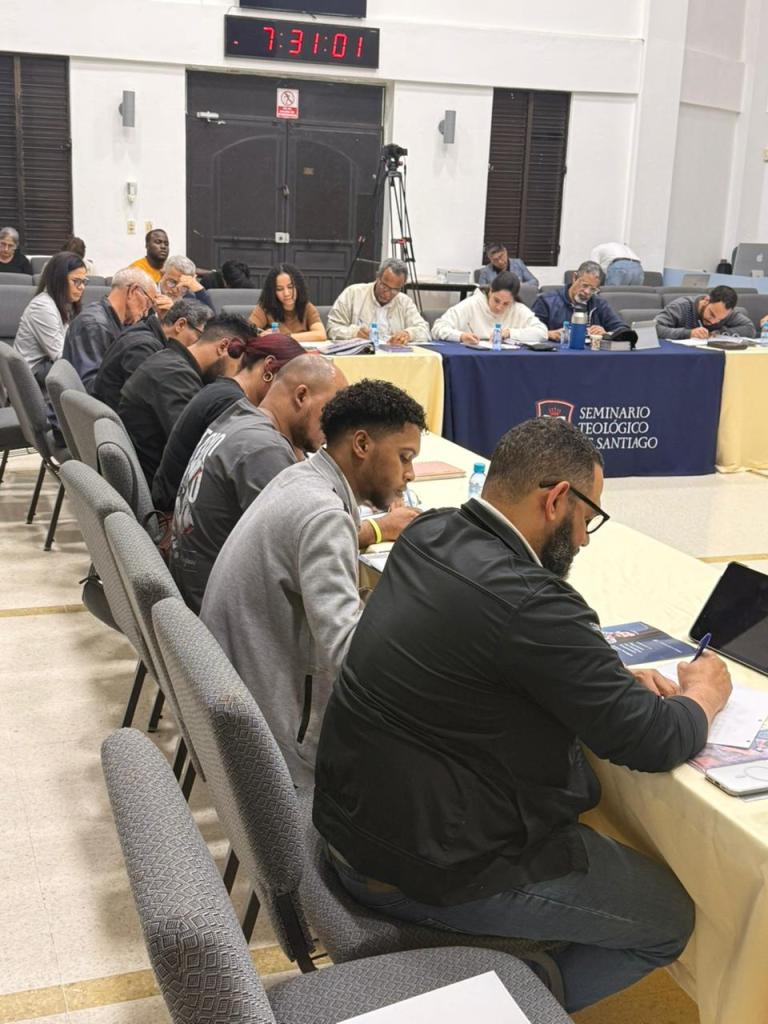
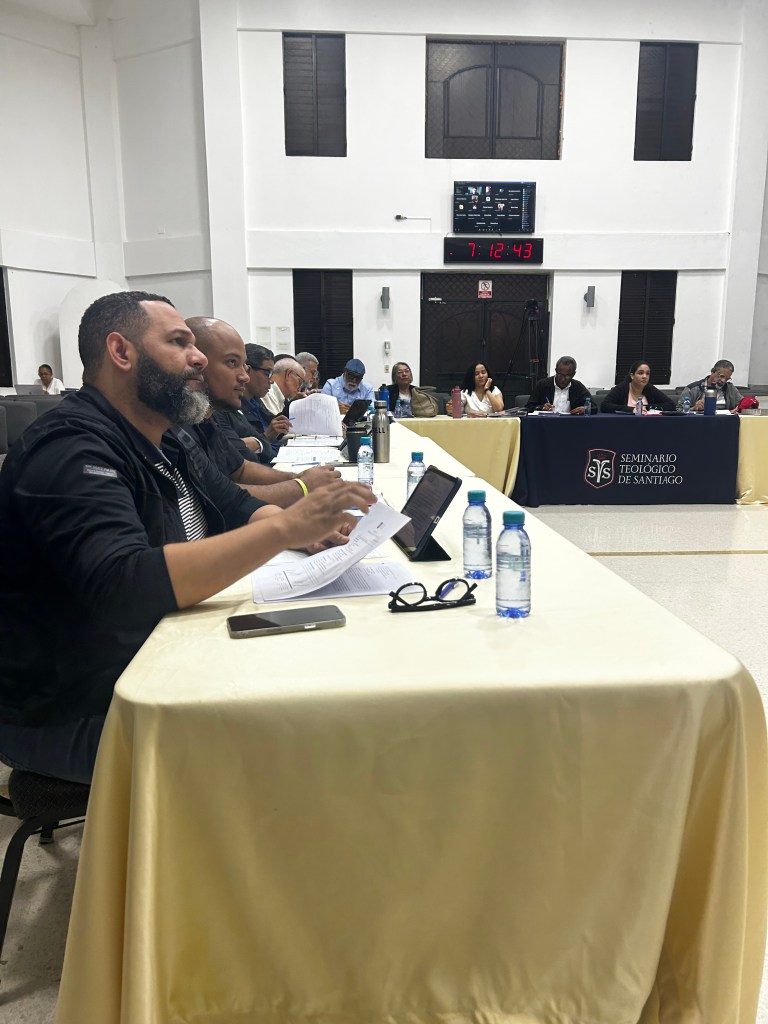
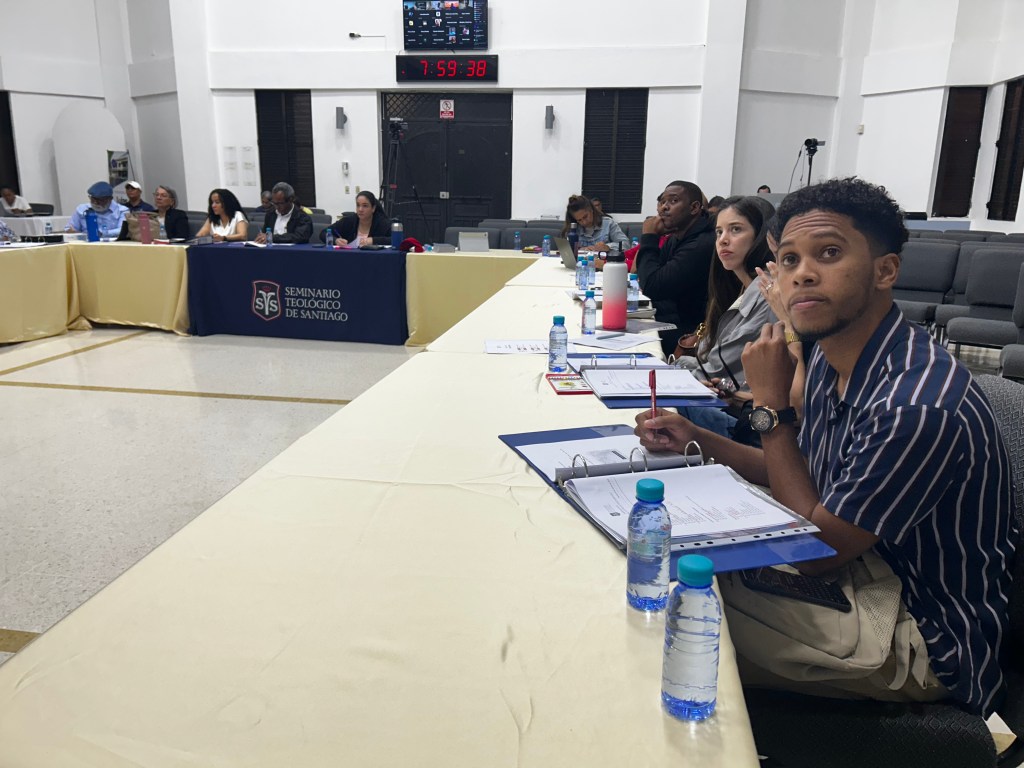
Here is a bit of info about a few of the in-person students:
- During the week, Adam works as a biotechnologist in the capital city of Santo Domingo, ensuring that tap water meets the necessary standards. On the weekends, he returns home to Santiago, two hours away, where he attends Oasis Christian church. He helps lead the youth ministry and is working on his diploma in theology.
- Al serves at a Pentecostal church in Puerto Plata, a city on the northern coast of the island 1.5 hours away.
- Another couple came Jarabacoa, 1 hr away, staying in a hotel two night to attend class.
- Two other friends drove two hours from Santo Domingo to attend.
The demand for theological education is high! The students were excited and engaged throughout the course, even when class ended at 9:30 pm! Often in classes like these, professors from the US travel and teach via a translator. One student told me:
When I saw the picture promoting the class, I almost didn’t sign up because I thought you’d teach in English and someone would translate into Spanish. It’s so much better when we can learn in Spanish!
In the class, we studied the Old Testament, seeking to understand what God is doing in the world. We constantly asked two questions:
- Who is the God of the Bible?
- What does God expect of his people?
It was my prayer that the students would know God more through the Old Testament and that this course would help them to love God and serve him with humility, gratitude and faithfulness. One student commented:
This class helped me understand better the thread that knits the Bible together.
Thank you so much for your support of our ministry to train ministry leaders for Latin America!
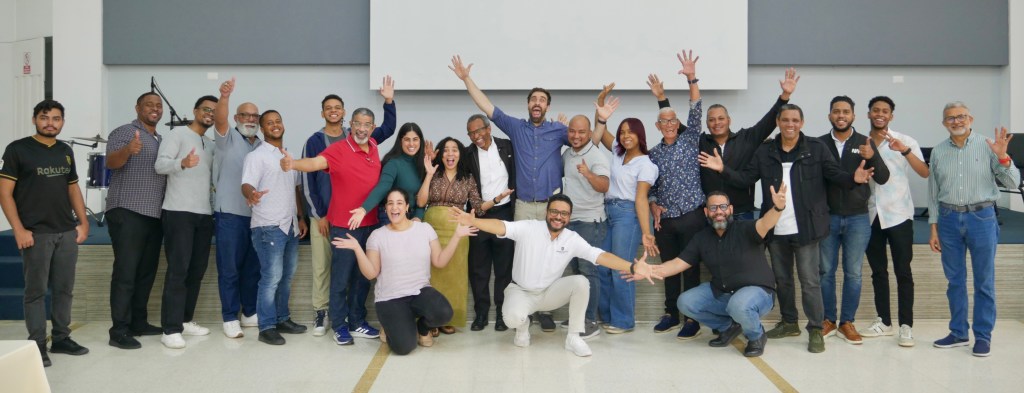
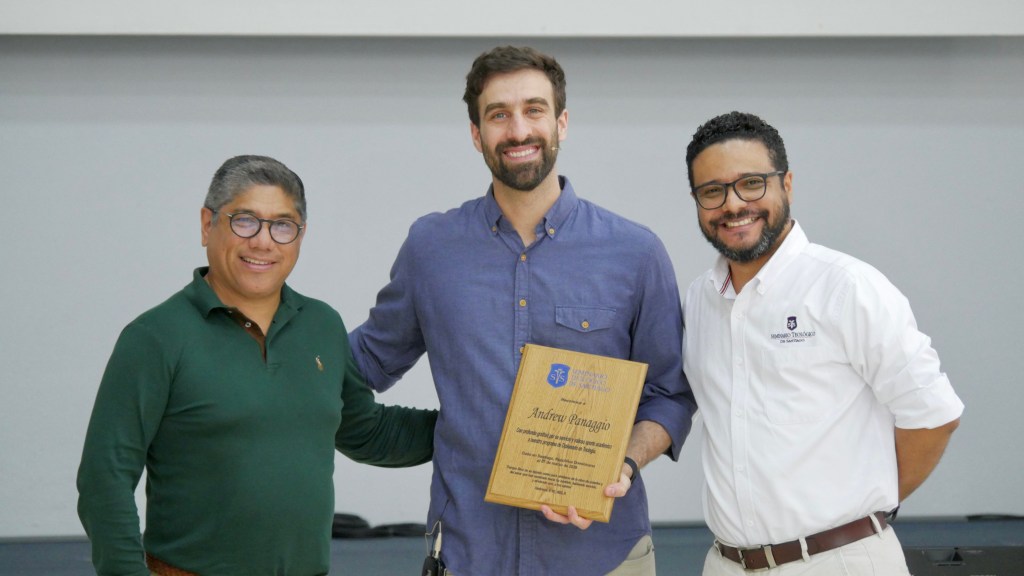
PhD Tracker
This week I have my comprehensive exam (March 19) and dissertation defense (March 20)!
Please Pray
- That I will have strength, perseverance, and a calm spirit as I defend my dissertation (three years of my life poured into this thing!).
- That God would open doors as we seek to finish raising our monthly budget goal by June.
- That God would put the details of our move in place (e.g., a shipping company, housing, all of the other details).
A taste of the OT
Throughout Genesis 1, the word “good” keeps showing up.
- Day 1. Light… Good!
- Day 3. Dry land and Seas… Good!
- Day 3. Vegetation… Good!
- Day 4: Sun, moon, and stars… Good!
- Day 5: Sea animals, the great sea monsters(!), birds… Good!
- Day 6: Land animals… Good!
- Day 6: All that God had made… VERY GOOD!
It’s the same formula each time: “God saw that it was good!” God perceives, evaluates, and declares: GOOD!
In Genesis 3, another’s perceptive abilities take center stage. At the serpent’s prodding, the woman looks at the only prohibited tree, and…
the woman saw that it was good for food. (Gen 3:6)
She’s not totally wrong. All the trees are good for food and beautiful to boot (Gen 2:9). However, while this particular tree is just as good, beautiful, and full of food as the next, God said this one is not good for food.
Two processes of perception. Two opposite conclusions.
We all know what happens next. After seeing that it is good, she took and ate and gave some to the man and he ate.
For the first time, rather than trusting God, humanity does what is right in its own eyes, kicking off a cycle that we cannot break even to this day!
Judges 21:25 puts it like this:
In those days there was no king in Israel. Everyone did what was right in his own eyes.
What is the problem here? No king? I don’t think so. Things don’t get much better once kings arrive.
I can’t help but hear Genesis 3:6…
She saw, took, and ate.
Judges describes it as anarchy. But the missing king isn’t David or Solomon. The missing king is the king Moses said rules in Israel: Yahweh (Deut 33:5). The problem is that even though there is a king, everyone sees and does whatever they deem best.
What’s the point?
At the root of the sin of the first humans (and the sin of every other human since) is, among other things, a lack of trust in God. Rather that accepting God’s declaration about the nature of reality—the appropriateness of certain trees for food, and the inappropriateness of others—we reject God’s declaration. We decide not to trust that God knows what he’s talking about.
Often that decision is accompanied by and may even stem from a distorted view of God. The serpent encouraged the woman to wonder if God really had provided everything they needed. Or was he holding back?
My desire, goal, and calling is to help people (including myself!) to know God more and trust God better through studying the Old Testament.
 Asi es la vida...